
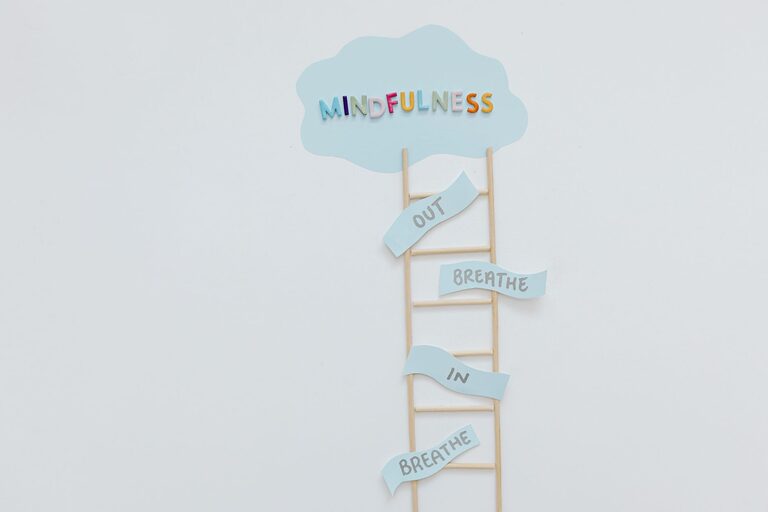
Taking mindful breathing breaks during your day can be a simple yet powerful way to reduce stress, improve focus, and boost overall well-being. If you’re new to the concept, don’t worry—this guide will walk you through easy beginner tips to help you get started and make mindful breathing a beneficial habit.
What is Mindful Breathing?
Mindful breathing means paying close attention to your breath in the present moment, without judgment or distraction. Instead of letting your mind wander, you observe the natural rhythm of your breath—the way it flows in and out. This practice helps anchor your awareness and calm your nervous system.
By intentionally taking mindful breathing breaks, you give yourself a chance to pause, reset, and refresh—whether you’re at work, home, or anywhere else.
Why Take Mindful Breathing Breaks?
Here are some benefits of practicing mindful breathing regularly:
– Reduce stress and anxiety: Deep, focused breathing activates the body’s relaxation response.
– Enhance concentration: Brief pauses help clear mental clutter and improve focus.
– Increase energy: Mindful breathing can boost oxygen flow and reduce feelings of fatigue.
– Improve mood: Taking time to breathe mindfully promotes a sense of calm and well-being.
– Support better decision-making: Calmness helps you respond thoughtfully rather than react impulsively.
Beginner Tips for Mindful Breathing Breaks
If you’re new to mindful breathing, these easy tips will help you start a simple, effective practice.
1. Choose a Comfortable Spot
Find a quiet and comfortable place where you won’t be disturbed. This could be your desk chair, a cozy corner in your home, or even outside on a bench. You can sit or stand—just make sure you’re relaxed and your posture feels natural.
2. Set a Timer
For beginners, start with just 1 to 3 minutes per break. You can gradually increase the time as you get more comfortable. Setting a gentle timer can help you stay focused without worrying about watching the clock.
3. Focus on Your Natural Breath
Close your eyes if you like, and simply notice your breathing as it is right now. Don’t try to change it. Feel the air entering your nostrils, filling your lungs, and then gently leaving your body.
4. Use a Counting Technique
If it’s hard to keep your attention on the breath, try counting your breaths. For example, inhale and count “1,” exhale “2,” inhale “3,” exhale “4,” and so on up to 10, then start again. This can help anchor your mind.
5. Breathe Deeply and Slowly
Once you’re comfortable with simple awareness, try deepening your breath. Breathe in slowly through your nose to a count of four, hold for a count of two, and breathe out through your mouth for a count of six. Adjust counts to what feels natural for you.
6. Notice Sensations Without Judgment
Your mind might wander or you may feel restless, and that’s completely normal. Gently bring your focus back to your breathing without criticizing yourself. Mindfulness involves kindness toward yourself.
7. Practice Regularly
Try to take mindful breathing breaks several times during your day. For instance, before starting work, during a mid-morning break, after lunch, or any moment you feel overwhelmed. Frequent practice helps build habit and benefits.
8. Pair Breathing Breaks with Other Activities
You can combine mindful breathing with gentle stretches, a short walk, or simply sitting in nature. This enhances relaxation and makes breaks more enjoyable.
Sample Mindful Breathing Break Routine
- Find your spot and sit comfortably.
- Close your eyes or soften your gaze.
- Take a slow, deep breath in through your nose (count to 4).
- Hold for 2 seconds.
- Exhale slowly through your mouth (count to 6).
- Repeat for 3 minutes.
- Open your eyes and notice how you feel.
Tips for Staying Consistent
– Schedule breaks: Set reminders on your phone or calendar.
– Start small: Even 1-minute breaks add up.
– Create cues: Link mindful breathing to daily triggers like finishing a task or waiting for a meeting.
– Use apps: Many free apps offer guided mindful breathing exercises.
– Be patient: Developing mindfulness is a gradual process.
When to Use Mindful Breathing Breaks
Mindful breathing is helpful anytime you need to pause and re-center. Some common moments include:
– Before important meetings or presentations
– When feeling stressed or overwhelmed
– During work or study to refresh focus
– While commuting or waiting in line
– At bedtime to relax for sleep
Final Thoughts
Mindful breathing breaks are a wonderful way to care for your mental and emotional health. They require no special equipment, take only a few minutes, and can be done anywhere. Starting with these beginner tips will help you build a calm, clear, and balanced daily routine.
Give it a try today—you might be surprised at how much a few mindful breaths can improve your day!
About the Author